

Zapraszam na kolejną odsłonę angielskich idiomów, które mogą niezwykle ubogacić nasz język, o ile poprawnie ich użyjemy 🙂 Tym razem zajmiemy się idiomami związanymi z warzywami i owocami. Przygotowałam dla was serię składającą się z 18 popularnych wyrażeń idiomatycznych. Mam nadzieję, że Wam się spodobają, a zdjęcia i przykładowe zdania pomogą Wam w ich zapamiętaniu. Osobiście bardzo lubię idiomy, ponieważ dzięki nim mój język jest bardziej obrazowy i żywy.
Po części teoretycznej zapraszam Was serdecznie na część praktyczną, czyli ćwiczenia, które znajdziecie tutaj – Idiomy angielskie z owocami i warzywami – Ćwiczenia.
Poza samodzielną nauką języka angielskiego polecam również profesjonalny kurs angielskiego online. Kurs jest prowadzony przez doświadczonego nauczyciela języka angielskiego.
Idiomy angielskie z owocami i warzywami

Examples:
➡ 1. It doesn’t matter that he sometimes behaves badly. He will always be the apple of his mother’s eye.
➡ 2. All teachers adore pupils who study really hard and diligently. Such a pupil is the apple of their teacher’s eye.
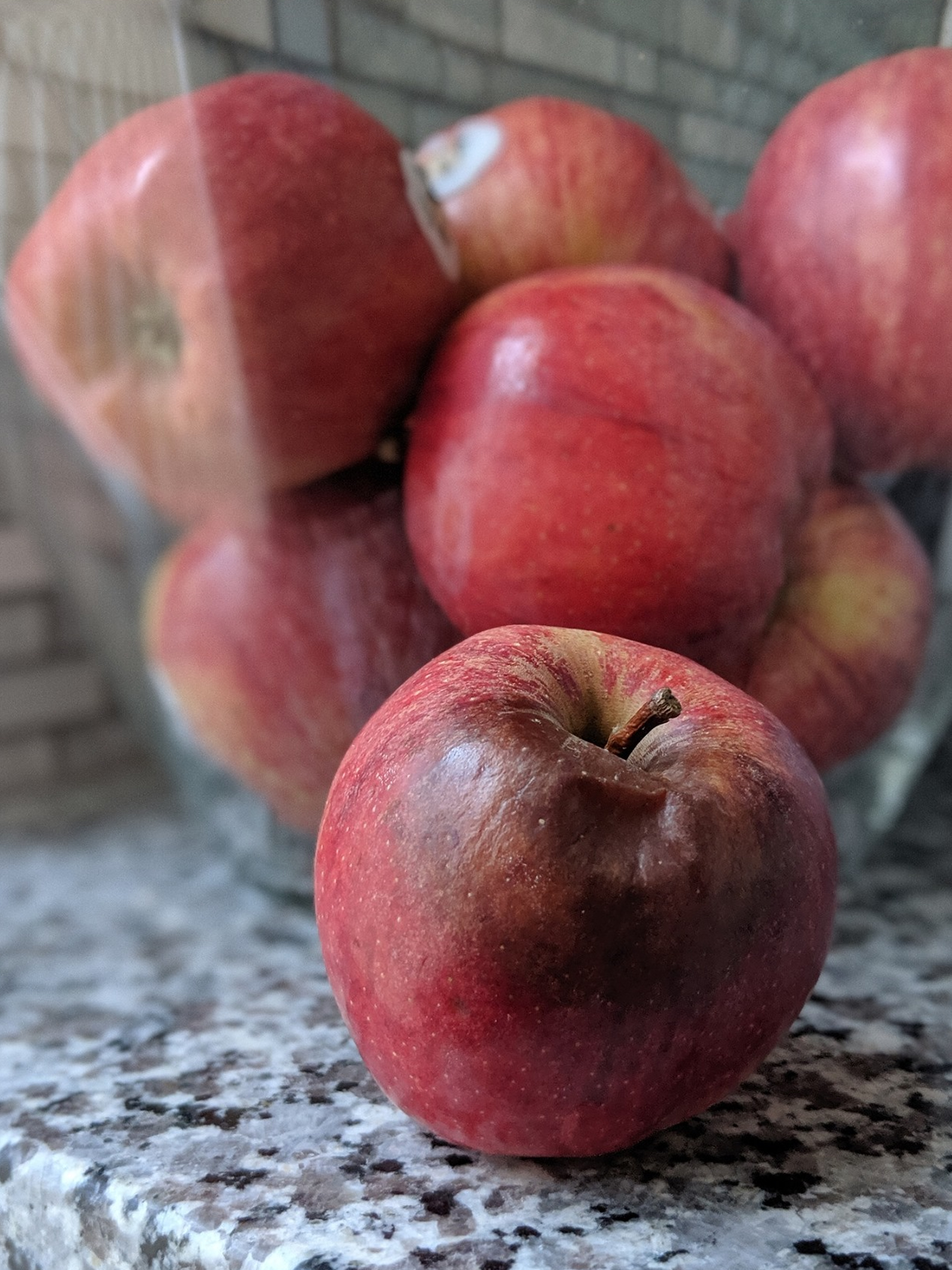
This expression can also look like that: one rotten / bad apple spoils the (whole) barrel / bunch (w każdym stadzie znajdzie się czarna owca)
Examples:
➡ 1. Everything went well but then Jeremy didn’t finish his part on time. As you know – one bad apple spoils the whole barrel.
➡ 2. Our class is very clever in general. What’s more, we support each other and we’re very amicable. But there is also this one rough boy – Adam Smith. Unfortunately, one bad apple spoils the barrel.
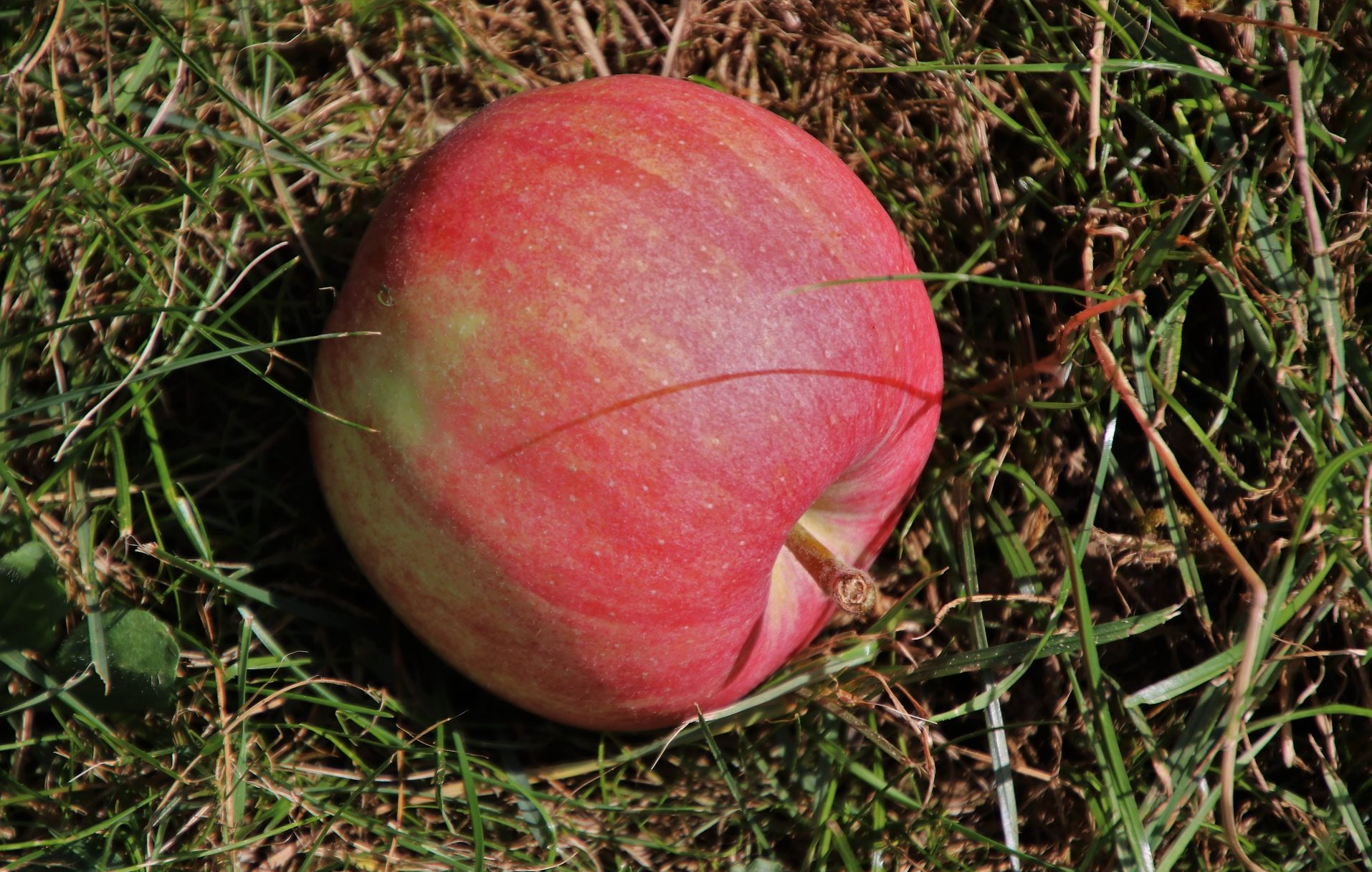
This idiomatic expression can also be used in a bit different form: the apple doesn’t fall far from the tree.
Examples:
➡ 1. Anna is as brilliant at learning foreign languages as her father is. It’s true that the apple never falls far from the tree.
➡ 2. Peter resembles his father so much. He takes after his father proving that the apple never falls far from the tree.

Examples:
➡ 1. I borrowed my brother’s car and I scraped it against the fence. I’m sure he’ll go bananas when he finds out.
➡ 2. Don’t tell my sister that I took her clothes. I don’t want her to go bananas.
Examples:
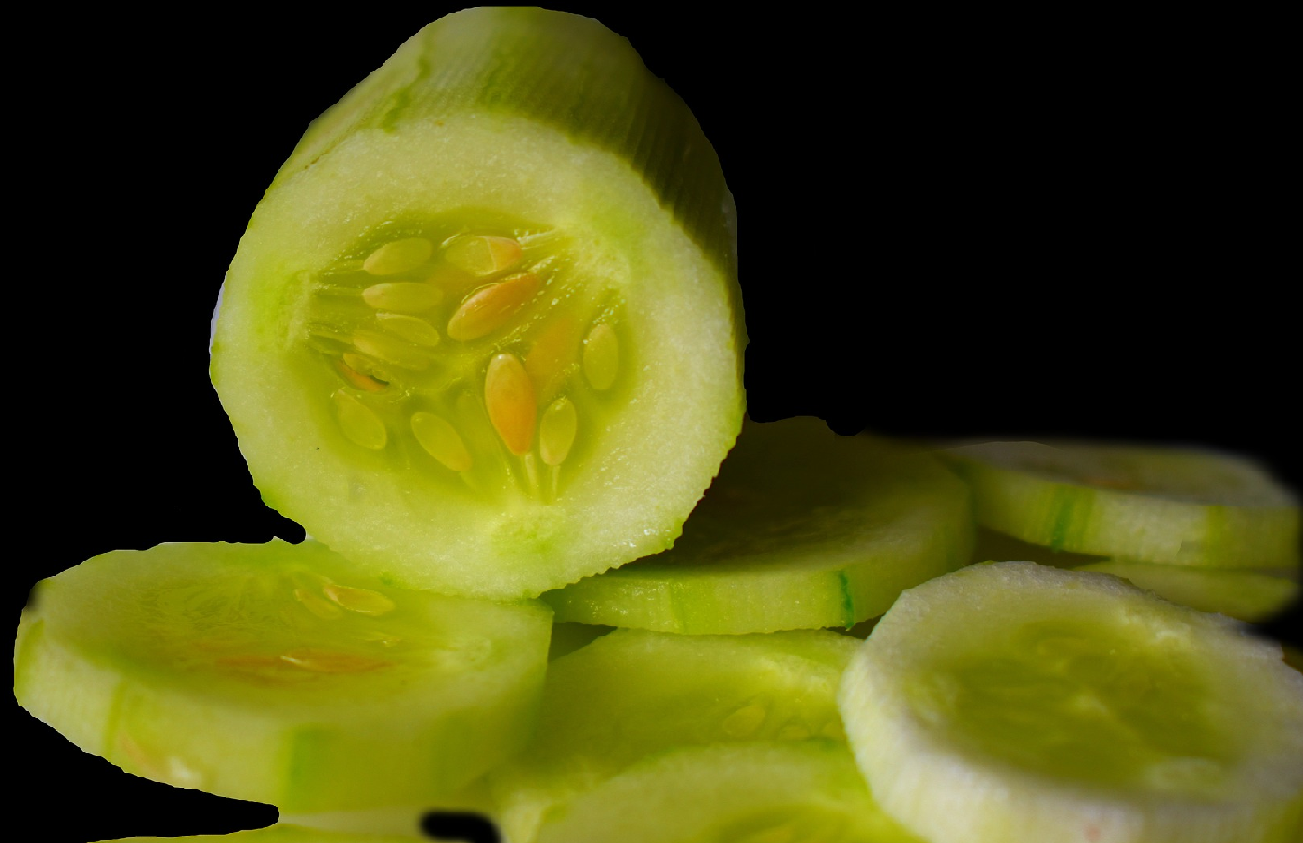
➡ 1. We were put under pressure to finish our project on time, but Rebeca seemed to be as cool as a cucumber. She was perfectly calm and self-possessed.
➡ 2. Hot-headed people are unable to be as cool as a cucumber.

Examples:
➡ 1. Please do not spill the beans. It’s a special surprise for my sister’s birthday party.
➡ 2. I shouldn’t have spilled the beans about their engagement. They wanted to keep it in secret.

Examples:
➡ 1. I’ve never seen him so happy. He’s full of beans.
➡ 2. Anna has been full of beans since Peter proposed to her a few weeks ago.
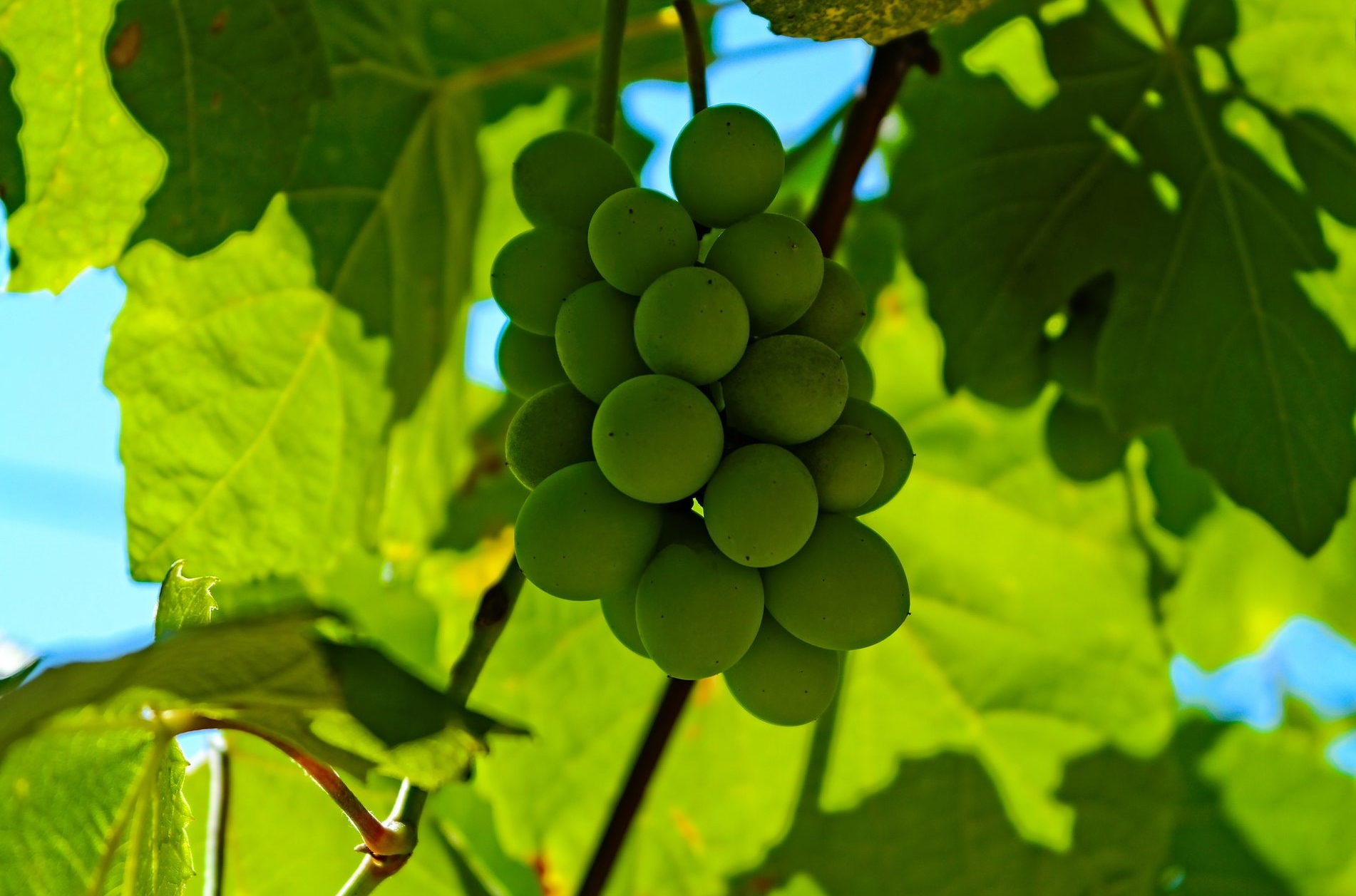
Another possible expression is: It’s a touch of sour grapes! (To syndrom kwaśnych winogron!)
Examples:
➡ 1. He said that he didn’t want to get into Harvard, but it was obviously sour grapes.
➡ 2. I know that you really want to have this luxurious car. It is just sour grapes when you are mocking it.
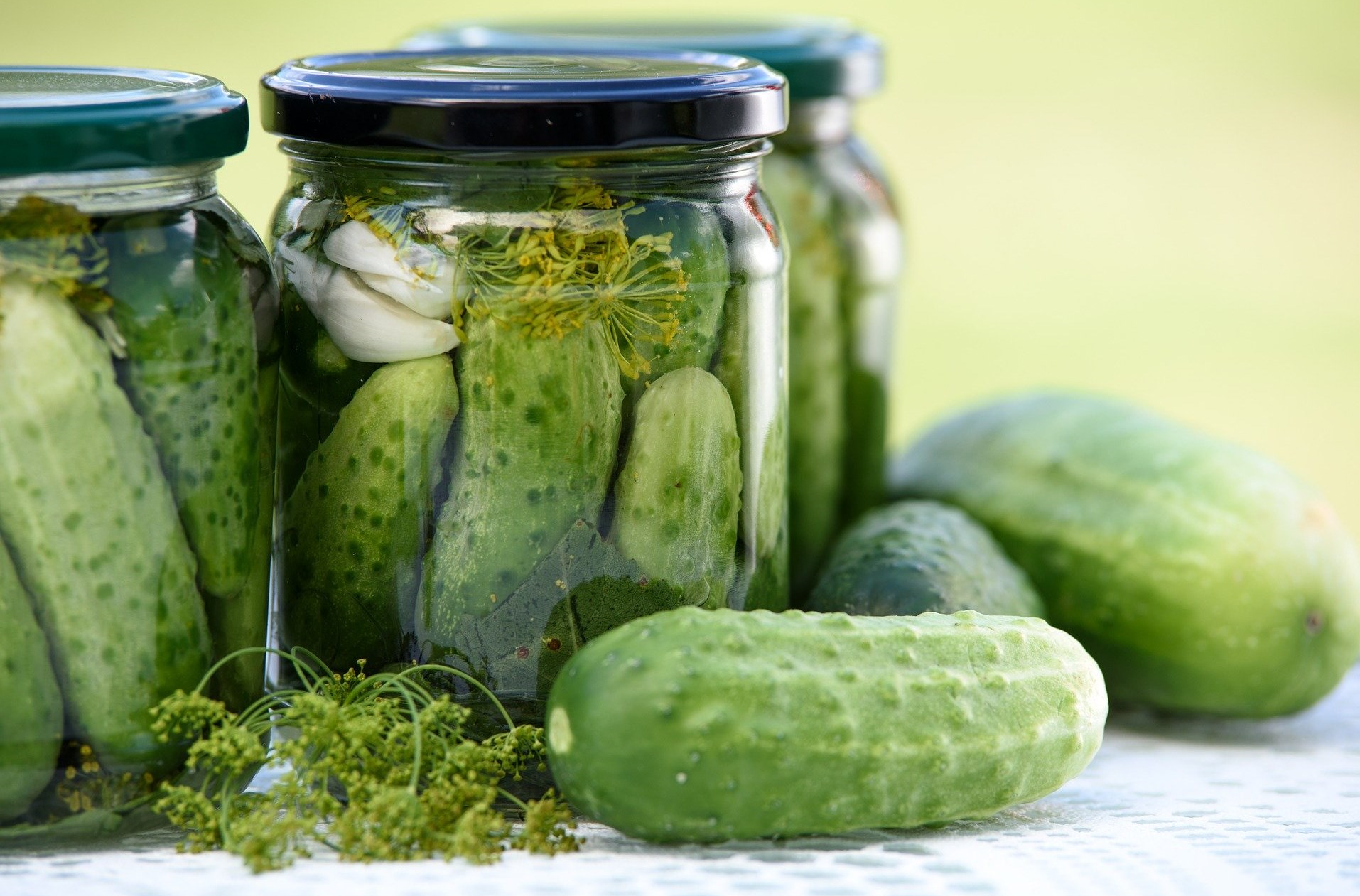
Examples:
➡ 1. I’m in a pretty pickle because I haven’t prepared diligently for my exam.
➡ 2. You’re grounded! If you make an attempt at going out, you will be in a pickle!

Examples:
➡ 1. Luke knows his onion – he’s the best engineer we have ever taken on in our company.
➡ 2. Does Alice know her onion in the field of accounting?

In English, there is also another expression with the same meaning: TO BE THE SPITTING IMAGE OF somebody, e.g. You’re the spitting image of your father.
Examples:
➡ 1. Sharon and Susan have the same views and beliefs. They’re like two peas in a pod.
➡ 2. I was convinced that they were twins. They were like two peas in a pod.

Typical collocations with ‘pea-brained’ are as follows:
a pea-brained moron,
a pea-brained idiot,
a pea-brained jerk.
Examples:
➡ 1. Don’t listen to her. She’s just a pea-brain. What she is trying to do is putting you down and making you feel dejected.
➡ 2. I hate my job because every day I have to deal with my colleagues who are pea-brained morons.

Examples:
➡ 1. Ashlie is a real couch potato. She hates the gym and doing exercise. What she does is sitting in front of the TV all the time.
➡ 2. Stop being such a couch potato and go out from time to time. It will certainly do you good.
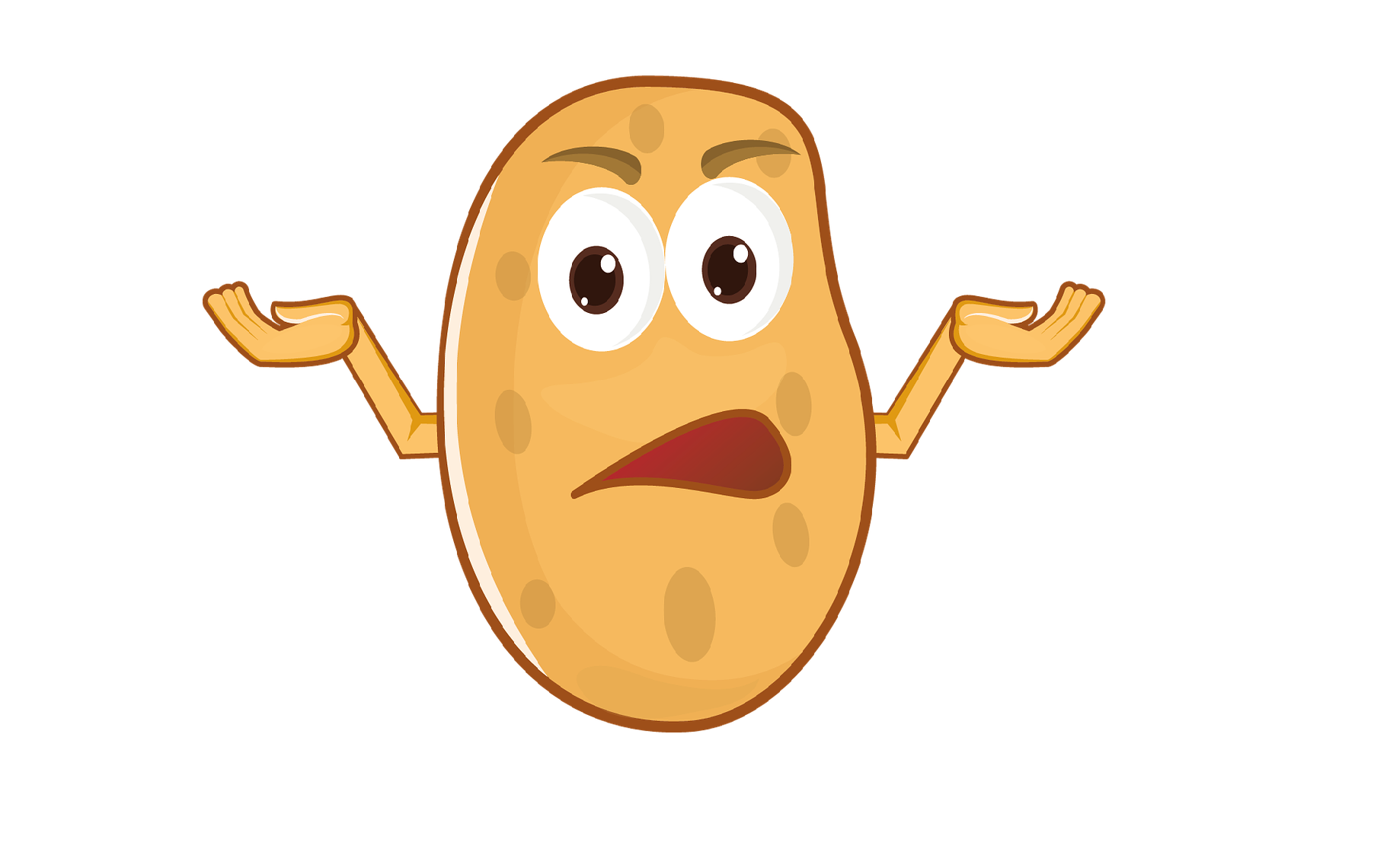
There is also an expression ‘TO DROP sb/sth LIKE A HOT POTATO’ which means to get rid of somebody immediately (pozbyć się kogoś natychmiast) or to give up something at once, e.g. an idea, plan, project (zarzucić coś natychmiast).
Examples:
➡ 1. Talking about politics might be a hot potato. It’s better not to discuss this topic.
➡ 2. The issue of death sentence might be seen as a hot potato.
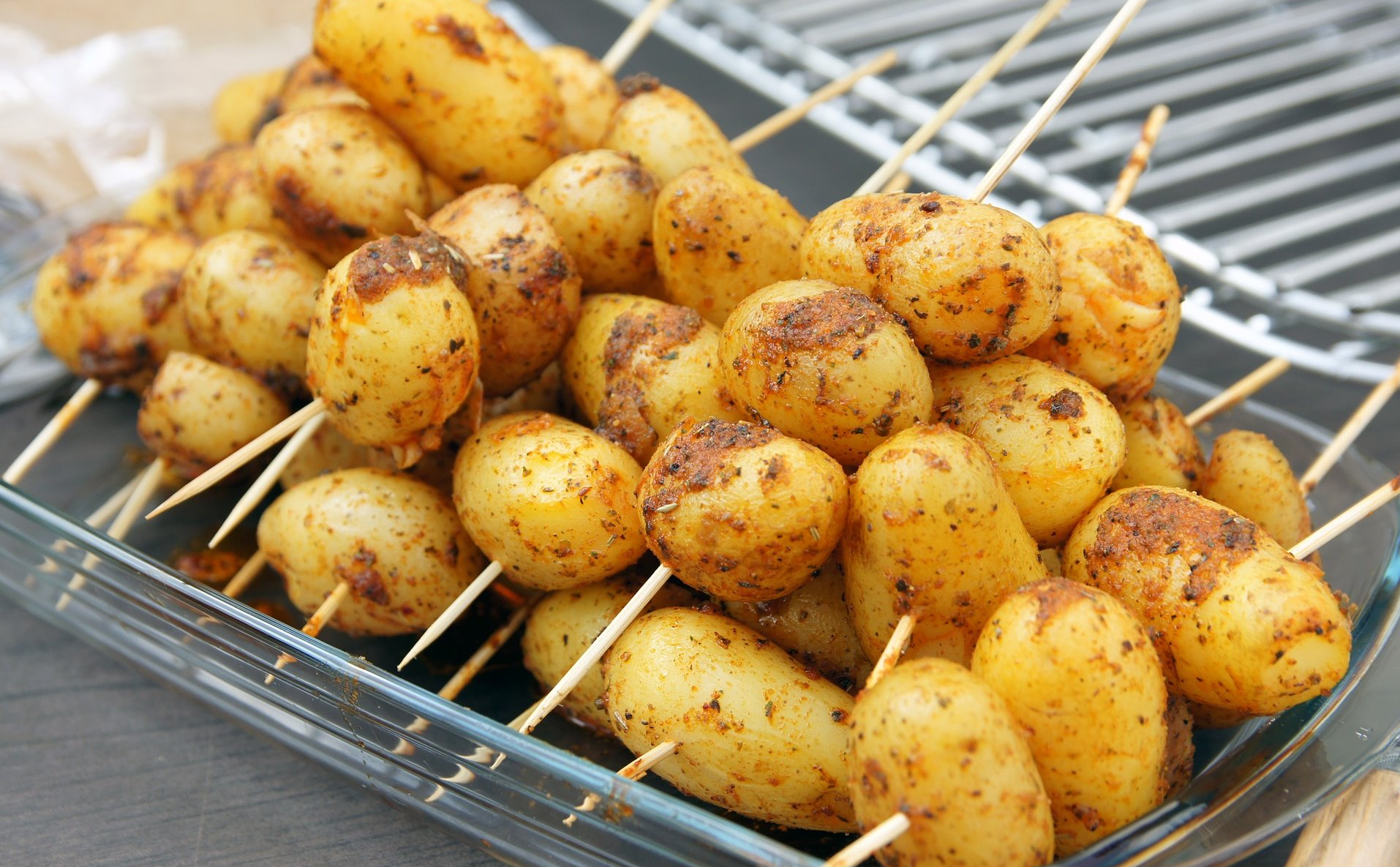
We can also say that ‘somebody is small potatoes/small beer’ which means this person is nobody of any importance (być nikim, nikim znaczącym)
Examples:
➡ 1. Don’t worry about this one test. It’s small potatoes/small beer compared to a final exam at the end of summer term.
➡ 2. They’re not going to take his remarks into consideration. He’s just small potatoes to them.
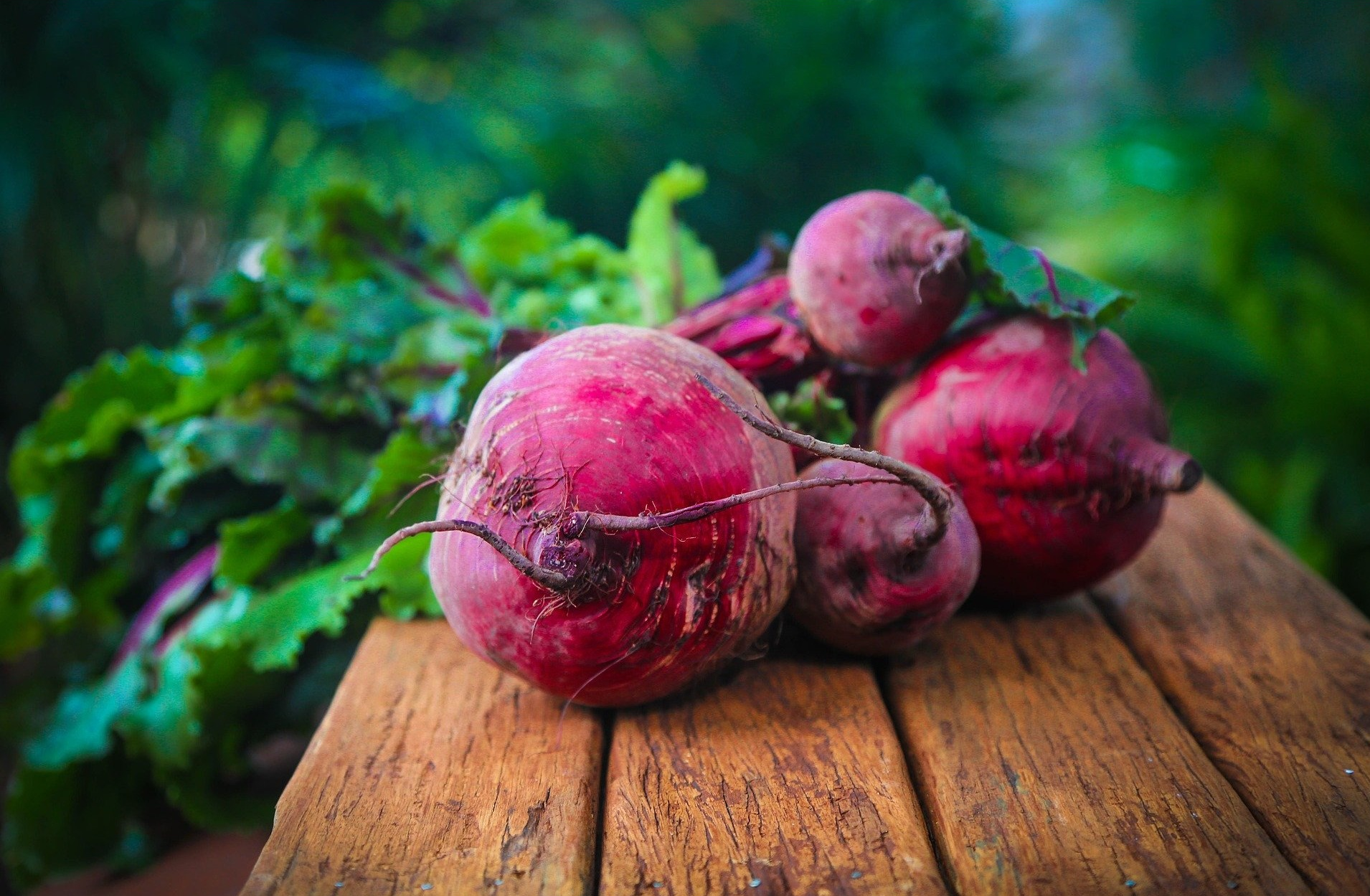
Examples:
➡ 1. Susan turned as red as a beetroot when her fiancé blurted out her secret.
➡ 2. I can’t speak in public because my hands start to shake immediately and I turn as red as a beetroot.

Examples:
➡ 1. Some teachers are still using the carrot and stick approach to encourage their pupils to work harder and more diligently.
➡ 2. The Prime Minister has proposed the carrot and stick approach to crack down on gangs.
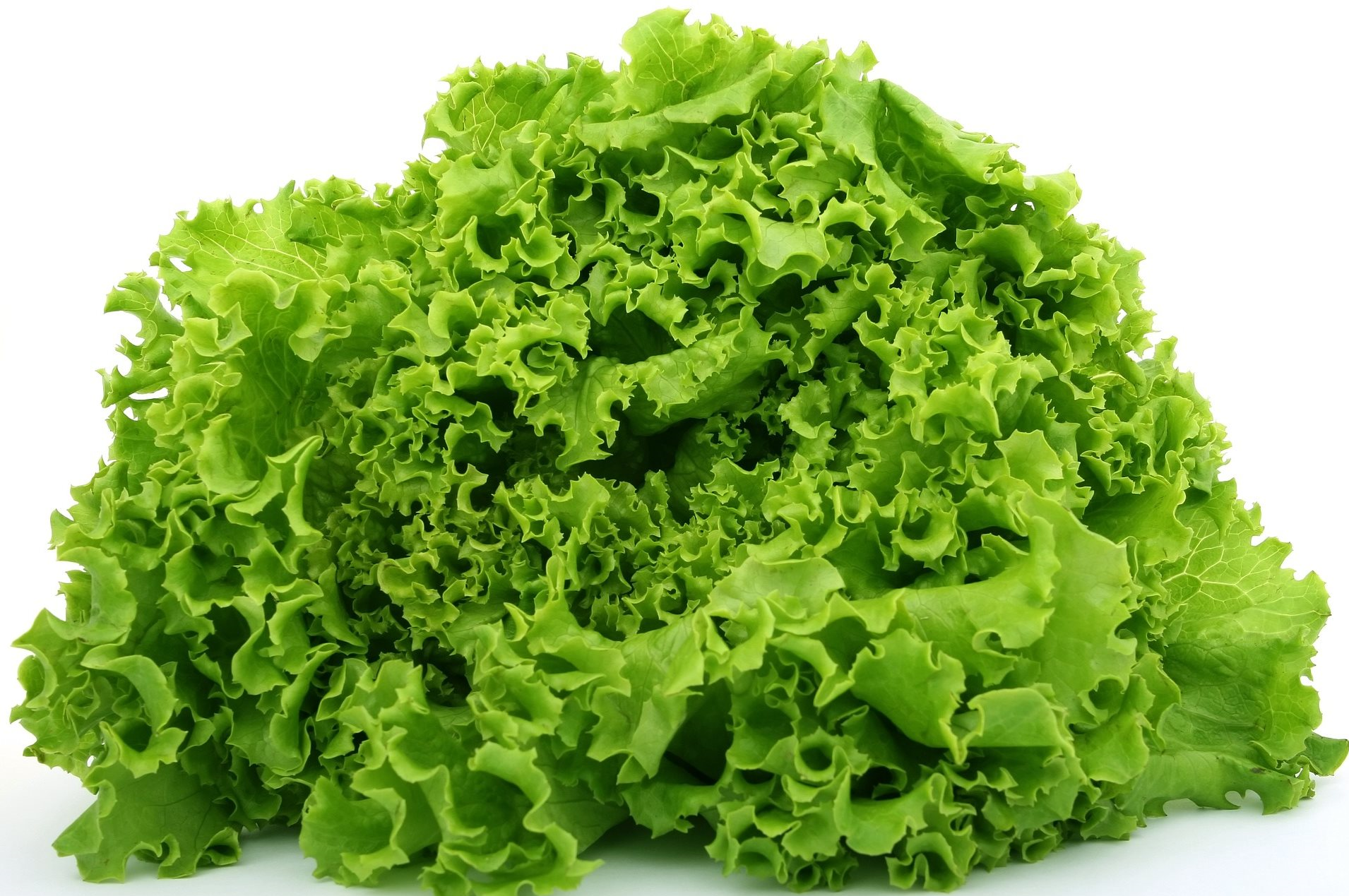
Examples:
➡ 1. When you are getting older and older, you miss your salad days more often.
➡ 2. Her salad days are over. She has to become mature and responsible.
Mam nadzieję, że chociaż kilka z zaprezentowanych powyżej idiomów angielskich uda Wam się zapamiętać na dłużej. Starałam się wybrać dla Was te najbardziej znane i przydatne. Osoby zainteresowane nauką idiomów zachęcam do zaglądania do zakładki – Idiomy angielskie. Mam nadzieję, że ich nauka przyniesie Wam wiele satysfakcji i że dzięki niej rozwiniecie się językowo.